
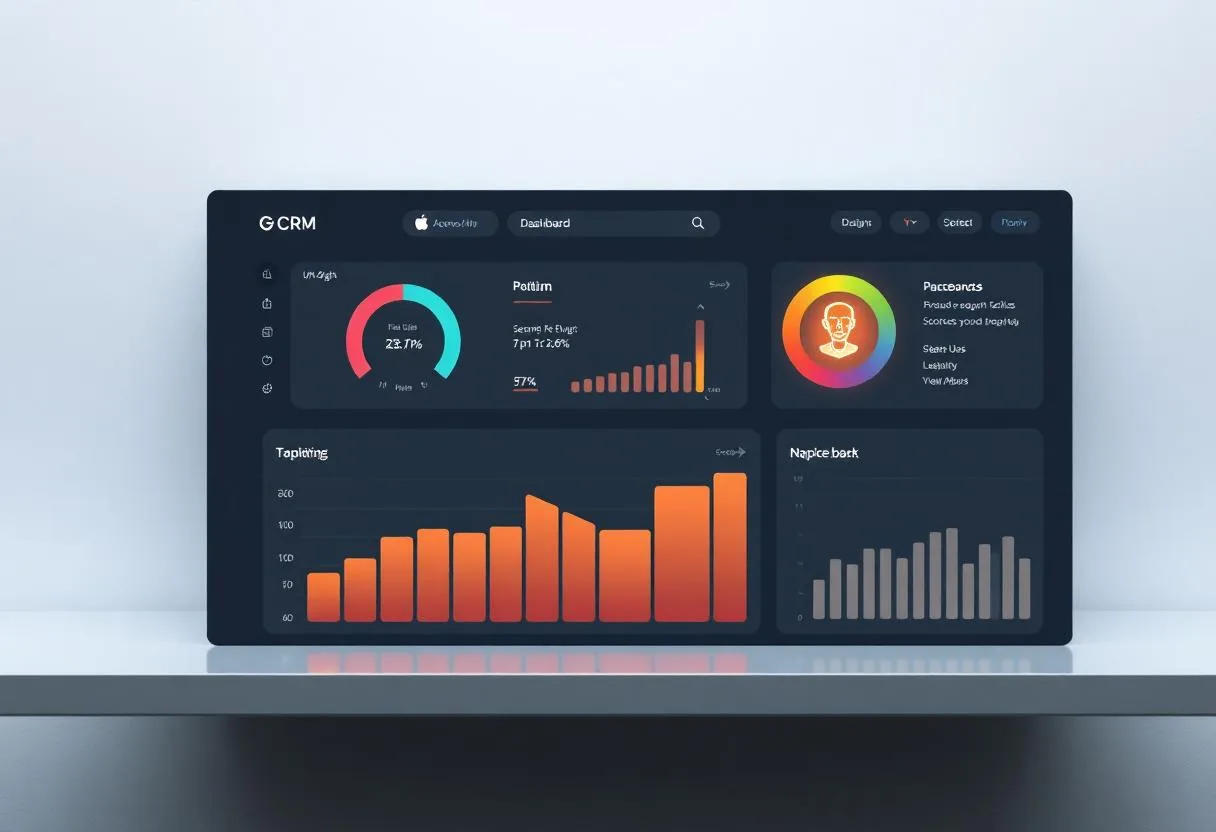
Why AI SDRs Are the Future of Lead Generation
I have watched sales teams struggle with the same bottleneck for years. AI SDRs fix it. Here is why.
Sales development is a numbers game. More outreach means more leads. More leads mean more meetings. More meetings mean more revenue. Everyone knows this. The problem is execution.
I have managed sales pipelines and worked with business owners across Singapore and Southeast Asia for over a decade. The bottleneck is always the same: human SDRs can only send so many emails, make so many calls, and follow up with so many leads in a day. AI SDRs remove that limit. They scale instantly. They never tire. They always deliver.
The Limitations of Traditional SDRs
I am not here to bash human salespeople. I have worked with great ones. But they have limits that no amount of motivation or training can fix:
- They work 8 hours a day. Leads come in 24/7 — especially from different time zones.
- They handle 50 to 100 outreach messages per day. AI handles thousands.
- They forget to follow up. I have seen it happen in every sales team I have ever worked with.
- They cost $50,000+ per year in salary, benefits, and training. AI costs a fraction.
This does not mean you fire your sales team. It means you give them better tools. AI SDRs handle the repetitive grind so humans can focus on what they are actually good at — building relationships and closing deals.
What AI SDRs Do Better
1. Instant Response Times
A lead fills out a form at 2 AM. A human SDR responds at 9 AM. That is a 7-hour gap. In my experience, leads that are not contacted within the first hour have dramatically lower conversion rates. By 9 AM, they have already messaged your competitor.
An AI SDR responds in seconds. It sends a personalised email, asks qualification questions, and books a meeting — all while you sleep. I have seen this single capability double meeting bookings for clients.
2. Unlimited Outreach Volume
A human SDR sends 50 emails per day. An AI SDR sends 500. Or 5,000. And no, this is not spam if you do it right.
The AI personalises each message using real data about the lead — their industry, company size, pain points. It sounds human. It feels relevant. But it scales infinitely. That is the competitive advantage.
3. Perfect Follow-Up Consistency
I used to manage follow-up sequences manually. I would set reminders. I would forget half of them. I would prioritise hot leads and neglect warm ones. Sound familiar? AI SDRs never forget. They follow up on schedule, every time. They nurture warm leads until they become hot. Consistency is the difference between a pipeline that drips and one that flows.
4. Data-Driven Optimisation
AI SDRs track every interaction. Open rates, reply rates, meeting rates. Over time, the AI learns what works — which subject lines get opened, which messages get replies, which timing converts best. Your outreach gets better automatically without manual A/B testing.
The Cost Advantage Is Obvious
Hiring a full-time SDR costs $50,000 to $80,000 per year. They handle 50 to 100 leads per day. An AI SDR costs a fraction of that and handles 1,000+ leads per day.
But I want to be clear — this is not about replacing people. It is about augmenting them. One human SDR plus AI can do the work of five SDRs. The human focuses on high-value conversations. The AI handles volume. That is the model that works.
"Is This Just Another AI Hype?"
I get it. I have been in digital marketing long enough to see every trend labelled as "the future" before it fizzled out. But AI SDRs are different because they solve a real, measurable problem — speed and scale in outbound sales.
Even if you think AI is overhyped in general — and some applications absolutely are — outbound automation is not theoretical. It produces meetings. It fills calendars. It generates revenue. I have seen it happen across multiple client deployments.
My stance on the AI bubble debate is simple: even if it pops, the tools that deliver measurable ROI today will survive. AI SDRs deliver measurable ROI. That is all that matters.
Real-World Use Cases
B2B SaaS Companies
AI SDRs send personalised demo invitations. They follow up with trial users who have not converted. They book product demos with qualified leads — all without a human touching the process.
Agencies and Consultants
AI SDRs reach out to companies that match your ideal client profile. They qualify based on budget and need. They book discovery calls. I have deployed this for marketing agencies and seen their meeting volume triple within the first month.
Service Providers
Home services, health clinics, education centres. AI SDRs re-engage past enquiries, follow up on quotes, and convert warm leads into booked appointments. Any business with a sales pipeline benefits.
The Companies That Move First Win
Sales is evolving. The businesses that adopt AI SDRs now gain an edge. They reach more leads. They respond faster. They book more meetings. They close more deals.
The businesses that wait will fall behind. Their competitors will move faster. Their pipeline will shrink. I have seen this play out in every wave of technology adoption over the past decade. Early movers win. Late movers scramble to catch up.
Founder of Roquepress with over a decade of hands-on experience in web development, SEO, paid advertising, and digital strategy across Singapore and Southeast Asia. He writes from direct experience — no theory, no fluff.
Scale Your Lead Generation with AI SDRs
Traditional sales development is slow. AI SDRs are fast. They work 24/7, respond instantly, qualify leads automatically, and book meetings without human help.
Roquepress builds AI SDR systems like Agent Tuah. We help you reach more leads, qualify faster, and book more meetings. Your sales team closes deals. AI fills the pipeline.